
AI for Business: Is It a Replacement for Human Resources?
As Artificial Intelligence (AI) continues to reshape the business world, one question keeps surfacing: Can AI replace human resources? With AI taking over everything from resume screening to employee performance tracking, it’s easy to assume that the traditional HR role may be on its way out.
But is AI really here to replace human resources—or is it simply transforming how HR works?
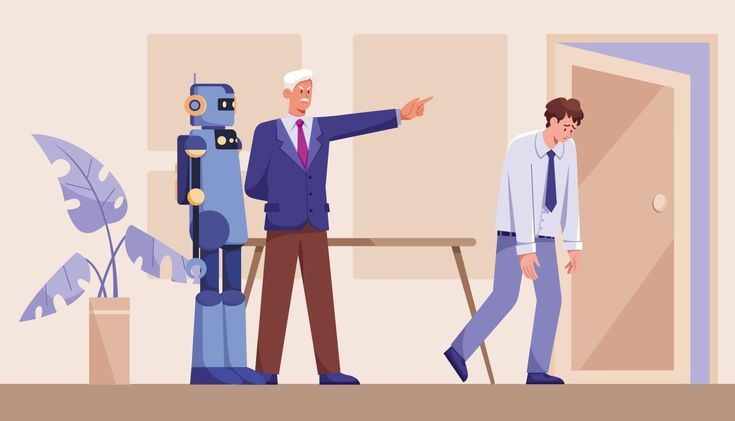
Let’s dive into how AI is impacting business operations and the HR function, and whether humans still have a seat at the table.
1.The Expanding Influence of AI on Modern Business Operations
Businesses are rapidly adopting AI to streamline operations, reduce costs, and improve decision-making. In HR alone, AI is already being used to:
- Automate repetitive tasks (e.g., interview scheduling, payroll)
- Analyze employee performance data
- Predict attrition or burnout
- Personalize onboarding and training programs
- Improve candidate matching and screening
- These tools offer speed, efficiency, and scalability that traditional HR processes can’t always match.
2.What AI Does Well in HR
AI brings some major advantages to the human resource function:
- Speed & Efficiency
AI can sift through thousands of resumes in minutes, something a human recruiter would take days to accomplish. - Unbiased Screening (When Properly Trained)
AI can help reduce human biases in recruitment if models are carefully designed with ethical training data. - Predictive Insights
AI can spot patterns and trends to forecast employee behavior—like the risk of turnover or declining engagement. - 24/7 Support
AI-powered chatbots and virtual assistants act as 24/7 support systems—handling employee inquiries, managing schedules, and delivering instant responses without breaks or delays.
These features can make HR teams more productive and allow them to focus on higher-level, strategic tasks.
3.What AI Can’t Replace
AI may outperform in speed and data crunching, but it still stumbles where human strengths truly matter—empathy, creative thinking, and sound judgment.
- Emotional Intelligence
Conflict resolution, employee morale, and workplace culture require human sensitivity and understanding. - Ethical Decision-Making
AI lacks the ethical frameworks and nuanced thinking required to handle sensitive issues like harassment complaints or ethical disputes. - Creativity & Strategy
Planning team-building activities, mentoring future leaders, or designing inclusive policies are tasks that require human insight. - Building Relationships
HR is not just about processes—it’s about people. While AI can simulate conversations, the depth of trust, empathy, and connection that defines real workplace relationships still belongs to humans.
- The Right Way to Use AI in HR
Rather than asking if AI will replace HR, the better question is: How can AI empower HR?
Here’s how businesses can strike the right balance:
- Use AI to automate time-consuming administrative tasks
- Allow HR professionals to focus on culture, strategy, and leadership development
- combining the precision of AI analytics with the emotional intelligence of human judgment
- Train HR teams to work with AI tools—not against them
- This collaboration results in a more agile, data-informed, and people-centered HR approach.
5.Real-World Example
Consider a mid-sized tech company using AI for hiring. The AI scans resumes and ranks them based on keyword relevance, experience, and skills. But the final interviews and cultural fit assessments are still conducted by human HR managers.
The result? Faster hiring without compromising on the human element. This is the model many future-forward companies are now adopting.
AI Is a Partner, Not a Replacement
AI is revolutionizing business processes, and HR is no exception. But it’s not here to eliminate human resources—it’s here to enhance it. The future of HR lies in human-AI collaboration, where intelligent tools support—but don’t replace—the people behind your people strategy.
So no, AI won’t replace human resources. But it will transform it into something more efficient, strategic, and impactful than ever before.