Uncategorized

Uncategorized

SEO vs social media hashtags in 2025

SEO vs. Hashtags in 2025: Which One Drives Better Results? In the fast-evolving world of digital marketing, one question continues to puzzle creators and brands alike: Should I focus more on SEO or social media hashtags to grow my online visibility? As we navigate 2025, both tactics still play a role—but how they function, and which one delivers the best results, has shifted. Whether you’re a business owner, content creator, or digital strategist, understanding the strengths and limitations of SEO vs social media hashtags can help you make smarter marketing decisions. What Is SEO (Search Engine Optimization)? SEO is the practice of optimizing your content so it ranks higher in search engine results (Google, Bing, YouTube, etc.). The goal is to increase organic traffic by targeting keywords, improving site structure, optimizing images, and enhancing overall user experience. In 2025, SEO is smarter and more contextual than ever, thanks to AI-powered search engines, voice search, and visual search. Benefits of SEO: What Are Hashtags? Hashtags act like digital signposts—keyword-powered labels (like #DigitalMarketing or #FitnessGoals) that guide users to your content on crowded social platforms, helping boost visibility, engagement, and relevance in real-time conversations. In 2025, platforms like Instagram, TikTok, LinkedIn, and YouTube Shorts still rely on hashtags—but their effectiveness now depends more on algorithm signals and content context than just keyword volume. Benefits of Hashtags: SEO vs social media hashtags: Key Differences in 2025 Feature SEO HashtagsPrimary Platform Search engines (Google, Bing), YouTube, websites Social media (Instagram, TikTok, LinkedIn, X)Lifespan of Content Long-term (months or years) Short-lived (hours to days)User Intent High (people actively searching) Low to medium (passive discovery)Traffic Source Organic search Social feed/discovery pagesBest Use Cases Blogs, websites, YouTube, e-commerce Social media posts, campaigns, reels, storiesSkill Level Needed Medium to advanced (keyword research, technical SEO) Easy to moderate (trend tracking, tag relevance) 📈 What’s New in 2025?🔹 SEO Is More ConversationalSearch engines now prioritize natural, question-based queries, especially with the rise of AI assistants and voice search. Optimizing for long-tail keywords like “best social media tips for small businesses in 2025” works better than single words. 🔹 Hashtags Are More ContextualSocial media algorithms now understand content context better than hashtags alone. Simply adding #viral won’t guarantee reach. Platforms like Instagram and TikTok prioritize video content and user behavior over tag stuffing. 🔹 Google Indexes Social ContentGoogle now indexes TikToks, YouTube Shorts, and even Instagram Reels—blurring the line between SEO and hashtag strategy. When to Use SEO vs. Hashtags Use SEO when: Use Hashtags when: Can SEO and Hashtags Work Together? Absolutely. The best digital marketing strategies in 2025 use both: For example, a blog post can rank on Google (SEO), while a reel promoting the blog can use hashtags to drive social traffic. By 2025, SEO and hashtags have evolved into two distinct yet complementary tools—SEO builds lasting visibility through search, while hashtags spark real-time engagement in fast-moving social spaces. SEO wins for long-term, high-intent traffic. Hashtags help you stay relevant in fast-moving, trend-driven spaces. Leverage SEO for long-term value, and hashtags for instant visibility. Need help with your digital strategy in 2025? Let us help you balance SEO and social to get the visibility your brand deserves. Get in touch to discover a growth strategy tailored to your brand. DM us today

Uncategorized

Right Social Media Platform for Your Business

Choosing the Right Social Media Platform for Your Business in 2025 In 2025, social media strategy for business simply having a social media account isn’t enough—success comes from strategic, intentional engagement. With new platforms rising, algorithms evolving, and attention spans shrinking, businesses need to pick their platforms wisely. Instead of chasing trends, ask: Which platform aligns with your business goals? Here’s a fresh breakdown of social media strategy for business 2025 the top platforms—and how to know which one deserves your attention (and budget) this year. Instagram: The Visual Powerhouse Best for: Lifestyle, fashion, beauty, hospitality, creators Instagram remains a major player for visual brands. With Reels, Stories, and shopping features, it’s where you connect emotionally and aesthetically with your audience. ✅ Great for storytelling✅ High engagement with younger audiences✅ Perfect for influencer marketing & brand building 👉 Use if: You have strong visuals, want to build a brand personality, or sell consumer products. TikTok: Raw, Real, and Ridiculously Effective Best for: Startups, DTC brands, creators, service-based businesses with personality Forget the old-school polished ads. TikTok rewards authenticity, humor, and creativity. In 2025, it’s not just for Gen Z—millennials and even Gen X have joined the party. ✅ Viral potential without huge follower count✅ Ideal for brand discovery✅ Great for behind-the-scenes & educational content 👉 Use if: You can be bold, keep up with trends, and communicate in under 30 seconds. LinkedIn: The B2B Lead Magnet Best for: B2B companies, consultants, agencies, SaaS, corporate brands LinkedIn has become a content-first platform for professionals. It’s where decision-makers are reading, networking, and making buying decisions. ✅ High-quality, business-focused audience✅ Personal brands outperform company pages✅ Ideal for building authority and generating leads 👉 Use if: You sell to other businesses, want to build thought leadership, or offer high-ticket services. YouTube: The Content Engine That Keeps Giving Best for: Educators, coaches, service providers, tech companies, reviewers YouTube isn’t just a video platform—it’s a search engine. In 2025, it’s essential for brands that want to build trust, explain their offering, or rank on Google. ✅ Evergreen content with long shelf life✅ SEO-friendly and great for tutorials✅ Shorts provide quick-hit exposure 👉 Use if: You can produce quality videos and want to educate or nurture over time. Facebook: Still Relevant, Just Different Best for: Local businesses, event marketers, older demographics, community brands Despite its age, Facebook still offers powerful tools—especially for paid ads, retargeting, and community-building through Groups. ✅ Strong advertising infrastructure✅ Perfect for executing location-based promotions, giveaways, and customer engagement events.✅ Groups foster deep engagement 👉 Use if: Your audience skews older or you rely on paid ads and community interaction. Pinterest: The Quiet Conversion Hero Best for: E-commerce, DIY, decor, wedding, fashion, recipe & lifestyle brands Pinterest users aren’t just scrolling—they’re searching with intent. It’s ideal for brands that sell products or ideas that are browsed visually. ✅ High purchase intent✅ Long-lasting content visibility✅ Ideal for driving traffic to blogs & product pages 👉 Use if: Your audience plans, shops, and saves. Perfect for evergreen content and SEO. Other Platforms to Watch in 2025 So, Which Platform Is Your Best Fit?Ask yourself: 👤 Who am I trying to reach? 📹 What kind of content can I consistently produce? 🎯 What’s my main marketing goal—awareness, engagement, or sales? 🧑‍💻 Do I have the team/tools to manage content, comments, and analytics? Go Deep, Not WideYou don’t need to be everywhere. Choose one or two platforms where your audience is active and where your message lands best. Then go all-in. Consistency and clarity always beat chasing trends. Want to Build a Social Strategy That Drives Growth?Let our team at Breathart marketing Agency craft a custom platform strategy based on your business goals.→ Book your free strategy call today!

Uncategorized

best time to run ads in Dubai

Best Times to Run Ads in Dubai: What Local Data Says If you’re running digital ad campaigns in Dubai, timing can be just as crucial as the content itself. The UAE’s diverse population, unique cultural rhythms, and fast-paced business scene all influence when your audience is most likely to engage. Whether you’re targeting locals, expats, or tourists, aligning your ad schedule with their behavior can dramatically improve your ROI. So when is the best time to run ads in Dubai? Let’s look at what the data and real-world trends suggest. 1. Peak Times for Social Media Engagement in Dubai Based on regional engagement studies and platform insights: Instagram & TikTok:🗓 Best Days: Thursday – Saturday⏰ Best Times: 7 PM – 11 PM👉 Why? People in Dubai are more active in the evenings after work, and weekends start on Friday (with Sunday being a workday). Facebook:🗓 Best Days: Wednesday – Friday⏰ Best Times: 12 PM – 2 PM and 8 PM – 10 PM👉 Great for reaching older demographics and B2C audiences during lunch breaks and post-dinner scrolling. LinkedIn:🗓 Best Days: Sunday – Wednesday⏰ Best Times: 9 AM – 12 PM👉 Since Sunday is a workday in the UAE, LinkedIn sees early-week spikes in professional activity. 2. Best Times for Google Ads & Search Campaigns Google Ads performance in the UAE is tightly linked to business hours and purchase intent. Search Campaigns (B2B):⏰ Best performance: 9 AM – 5 PM, Sunday to Thursday👉 Decision-makers are most active during these hours. E-commerce/Search Campaigns (B2C):⏰ Best performance: 8 PM – 12 AM👉 Many online purchases happen in the evening, especially on mobile. 3. Seasonal and Cultural Timing Matters Dubai is a city where cultural context heavily influences online behavior. Ramadan:⏰ Late-night hours (after Iftar, around 8:30 PM – 2 AM) see huge spikes in online engagement.📌 Adjust your ad schedules and creative tone to fit this period. Public Holidays (e.g., Eid, National Day):These are prime periods for sales campaigns, but competition and CPCs also rise—plan budgets accordingly. Tourist Seasons (Nov–March):Target hospitality, entertainment, and retail audiences during high footfall periods, especially weekends. 4. Best Days for E-commerce Ads in Dubai From our work with Dubai-based brands: Top Converting Days: Friday & SaturdayShoppers have more time, and brands often run weekend-only promotions. Best Time of Day for Sales: 8 PM – 1 AMEspecially effective during mobile-heavy browsing hours. 5. Don’t Forget to A/B Test Your Timing While these are general insights, ad performance can vary by niche. Always: Monitor ad performance by hour and day. Use automated bidding rules to boost visibility during high-conversion windows—set your campaigns to increase bids when your audience is most active, such as weekday mornings for B2B or late evenings for e-commerce. Run A/B tests on time slots before scaling your campaigns. In Dubai, timing is everything — from cultural patterns to professional rhythms. By syncing your ad schedules with local behavior, you’re not just running ads — you’re showing up when people are actually ready to engage. Need help optimizing your ad schedule for better results in the UAE? Let’s chat. 📈

Uncategorized

Is SEO Dead in 2025?

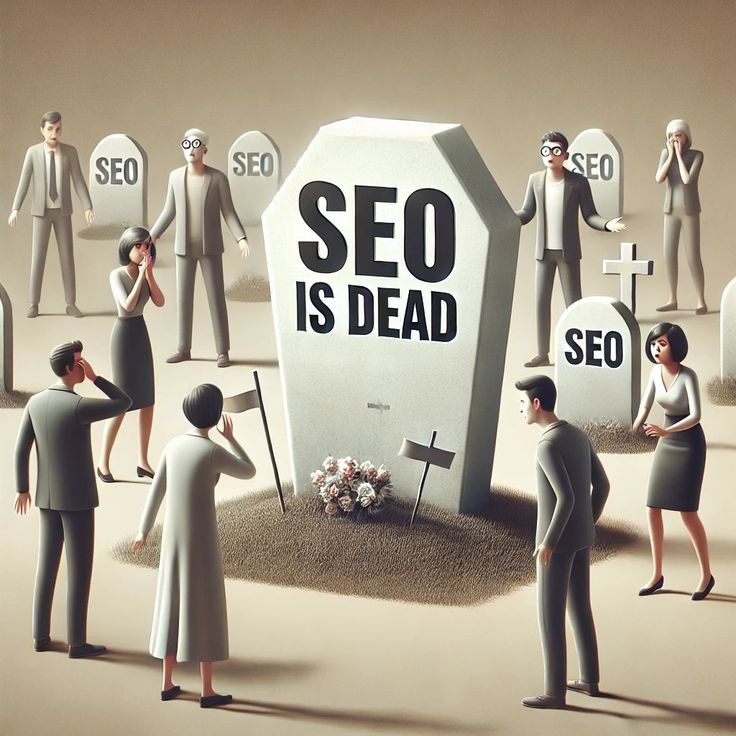
Is SEO Dead in 2025? Here’s the Real Answer. Every year, someone claims that SEO is dead—and in 2025, the rumors are louder than ever. Meanwhile, SEO experts are still ranking websites and driving results But in 2025, the conversation has become more serious. As AI-driven search, voice technology, social platforms, and instant-answer results reshape how people find information, it’s natural to wonder: is traditional SEO still relevant? Is SEO really dead—or just different? Let’s dive into what’s really happening in search marketing and whether SEO still has a place in your digital strategy. Why People Think SEO Is Dead There are some good reasons why this rumor refuses to die: It’s true that the SEO landscape has changed drastically. But that doesn’t mean SEO is dead—it means old SEO is dead. The Truth: SEO Isn’t Dead—It’s EvolvingLet’s be clear: SEO is not dead. It’s simply evolving alongside user behavior and technology. Here’s what SEO looks like in 2025: What’s Really Dead? If anything is dead in 2025, it’s this: These tactics may have worked in the past—but today, they hurt more than help. SEO in 2025: What Should You Focus On? If you’re serious about growing online, modern SEO is still one of your best investments. Here’s where to focus: SEO Isn’t Dead—It’s Just Smarter If your SEO strategy is stuck in 2015, chances are it’s no longer delivering the results you need. But for marketers who understand today’s digital ecosystem, SEO is alive, evolving, and more important than ever. Success in SEO today isn’t about gaming the algorithm—it’s about genuinely meeting the user’s needs better than your competitors Need Help With Modern SEO? We specialize in helping brands adapt to the new SEO landscape—whether that’s optimizing for AI search, building topical authority, or improving website experience. Ready to elevate your online presence? Let’s connect and explore how we can keep your brand visible, competitive, and future-ready. Read our Recent Article SEO for Dubai based business

Uncategorized

Ryo Tatsuki’s Failed Prediction & Its Surprising Impact on Japan’s Air Transport in 2025

When Manga Misses and Markets Shift: The Ryo Tatsuki Prediction That Never Landed In the late ’90s, manga artist Ryo Tatsuki gained a cult following after her 1999 comic was rumored to “predict” real-world catastrophes — most famously the 2011 Tōhoku earthquake and tsunami. Over the years, fans and theorists closely examined her work, searching for signs of what might unfold next. One of the most widely circulated theories was the Ryo Tatsuki 2025 prediction, which warned of a devastating disaster striking Tokyo. The prophecy hinted at chaos on a national scale — crippling infrastructure, cutting off communication lines, and disrupting air travel across Japan. But now, as we live through 2025 with Tokyo intact and air traffic steady, one thing is clear: the Ryo Tatsuki 2025 prediction missed its mark — and the anticipated collapse of Japan’s aviation sector never materialized. The Anticipated Fallout That Never Happened For years, speculative blogs and online forums warned travelers and businesses alike to avoid Japan in 2025. Some international airlines reduced capacity, tourism boards paused promotions, and a few risk-averse businesses even delayed expansion into Japan. All based on a comic panel drawn over two decades ago. It was fiction — but it shaped real-world fear. Missed Predictions = Missed Opportunities Japan’s air transport sector reported a dip in projected bookings and investor hesitancy during Q1 of 2025. Why? A curious blend of superstition, media hype, and the unexpected sway of pop culture on public behavior.This raises a deeper question for brands and industries alike: How many decisions are we making based on predictions — rather than strategy, data, and facts? When Strategy Prevails Ryo Tatsuki’s work, while fascinating, reminds us that not all forecasts come true. The aviation slowdown was temporary, but the lesson is permanent: relying on unverified predictions can result in lost revenue, shaken confidence, and strategic drift. As marketers, analysts, and business leaders, we must choose a better flight path — one led by data, agility, and real-time adaptation. Japan’s skies are clear, planes are flying, and Tokyo’s still standing. Whether it’s manga myths, market rumors, or media spins, the smarter route is always through well-informed strategy — not prophecy. Because when predictions fail?Strategy prevails. While manga predictions might stir fear, real-world disruptions like wars and geopolitical tensions have far greater consequences on business strategy. 👉 Check out our latest post:“impact of war on global economy”

Uncategorized

Top 10 Digital Marketing Strategies

Top 10 Digital Marketing Strategies That Work in the UAE Market The UAE is one of the most digitally connected markets in the world. With high smartphone penetration, a tech-savvy population, and a thriving business ecosystem, brands must implement strategies tailored to the region’s unique culture, language, and digital behavior. Whether you’re a local startup or an international brand expanding into the Gulf, here are the top 10 digital marketing strategies that work in the UAE market. 1.Localized SEO (Arabic + English) To succeed in the UAE, your brand needs to show up in both English and Arabic search results. Use geo-targeted keywords like “best marketing agency in Dubai” or “مطعم في دبي”. Optimize for Google My Business and location-based searches. Ensure your website has language toggle options. 2.Social Media Marketing with a Local Touch Platforms like Instagram, TikTok, and Snapchat dominate in the UAE. Post content aligned with local holidays like Ramadan, Eid, or UAE National Day. Use trending hashtags in both English and Arabic. Collaborate with regional influencers. 3.Paid Advertising (Google Ads + Meta Ads) With competitive industries across sectors, paid ads can offer quick visibility. Run Google Ads for high-intent searches. Use Facebook/Instagram Ads with custom audience targeting based on location, interests, and demographics. Explore YouTube and TikTok ads for visual storytelling. 4.Influencer Marketing That Builds Trust The UAE has a strong influencer culture. Partner with micro-influencers (5K–50K followers) for niche credibility. Ensure compliance with UAE’s NMC influencer licensing laws. Focus on long-term collaborations, not one-off posts. 5.WhatsApp Marketing WhatsApp has become an essential communication tool for businesses in the UAE, bridging the gap between personal convenience and professional service.Use WhatsApp Business API to send order confirmations, offers, and updates. Offer real-time customer support. Enable “Click to WhatsApp” CTAs on your website and ads. 6.Culturally Relevant Content Marketing 7.Video Marketing Video content is the most consumed format in the UAE. Don’t just compete — dominate the scroll. Short-form video on TikTok, Reels, and YouTube Shorts is where your brand earns attention Showcase product demos, behind-the-scenes, or customer testimonials. Use subtitles in both Arabic and English for maximum reach. 8.Email Marketing with Personalization Email still drives strong ROI when done right. Segment your audience by location, language, and buying behavior. Send newsletters with UAE-specific promotions. Use automation for welcome flows, abandoned carts, and follow-ups. 9.Mobile-First Website & UX WhatsApp has become an essential communication tool for businesses in the UAE, bridging the gap between personal convenience and professional service. Use mobile-friendly CTAs (e.g., tap-to-call, tap-to-WhatsApp). Enable Apple Pay, Samsung Pay, and local payment gateways. 10.Data-Driven Decision Making Success in the UAE digital space is all about measurement. Implement Google Analytics 4 and Meta Pixel to accurately measure user journeys, optimize campaigns, and make smarter marketing decisions.Regularly audit your ad spend and content performance. Adjust strategy based on real-time data and customer feedback. Final ThoughtsThe UAE is a high-growth, high-opportunity market — but only for brands that truly understand its nuances. If you’re looking to elevate your brand with digital marketing strategies that actually work in the UAE, our agency can help.

Uncategorized

SEO for Dubai-Based Businesses

SEO for Dubai-Based Businesses: What Works in the UAE Market Global businesses and entrepreneurs seeking to make their mark in the Middle East are drawn to the United Arab Emirates, and Dubai in particular. With this growth comes fierce online competition. If your business is based in Dubai, a one-size-fits-all SEO strategy won’t cut it—you need a localised, culturally aware, and UAE-specific SEO plan. In this post, we’ll break down what actually works for SEO in the UAE market, and how Dubai-based businesses can climb the Google rankings. 1. Local SEO is Essential in Dubai Dubai has a highly competitive local business landscape. Whether you’re running a salon, a law firm, or a restaurant, appearing in Google’s local pack (map results) can make or break your online visibility. Tips: 2. Multilingual SEO: Arabic & English Content Despite the heterogeneity of the city, Arabic is still the official language of the United Arab Emirates. If your website is only in English, you’re missing out on a major chunk of potential customers. Actionable Advice: 3. Mobile-First Optimization is Non-Negotiable Over 90% of UAE residents access the internet via smartphones. If your site isn’t optimized for mobile, your bounce rate will skyrocket—and your Google ranking will suffer. Quick Checklist: 4. Backlinks from UAE-Based & Industry-Relevant Websites Backlinks are still a top ranking factor in Google’s algorithm—but where those links come from matters. Focus on getting backlinks from reputable UAE-based websites, directories, or blogs. Ideas: 5. Use UAE-Centric Keywords & Search Intent Search behavior in the UAE differs from Western markets. For instance, people might search “cleaning company Dubai Marina” instead of just “cleaning services.” Tips: 6. Stay Compliant with UAE Laws on Content & Ads The UAE has strict regulations around online content, especially regarding claims, health products, and advertising. Your SEO content must comply with these standards. Pro tip: Always review your content with a local legal advisor or marketing consultant who understands UAE’s National Media Council guidelines. 7. Track Local Metrics that Matter Generic SEO reports won’t give you the full picture in Dubai’s market. Monitor indicators that show how visible and involved you are locally. Key Metrics to Monitor: SEO in Dubai isn’t just about ranking high—it’s about being visible to the right audience at the right time, in the right language. With Dubai’s competitive business environment, smart SEO tailored to the UAE’s unique market can make all the difference. If you’re a Dubai-based business looking to improve your SEO results, our team of local experts can help craft a strategy that’s both search engine friendly and culturally relevant.

Uncategorized

Google’s June 2025 Algorithm Update

Google’s June 2025 Algorithm Update: What Marketers Need to Know The Google algorithm update 2025 has brought major shifts to the digital marketing landscape. Rolled out in June, this update introduced AI-powered changes to search results and disrupted local SEO rankings—leaving marketers eager to understand what’s different and how to stay ahead. In this Google algorithm update 2025 post, we’ll break down what happened, who it affected, and what you can do to maintain your visibility in a constantly evolving search ecosystem. What Changed in the June 2025 Update? 1.SERP Volatility and AI Overviews Marketers began noticing ranking shifts as early as June 4, with major volatility peaking around June 9 and again on the 16th–18th. But it wasn’t just rankings that changed—Google’s AI Overviews (previously called SGE or Search Generative Experience) began dominating search results, offering direct answers without users needing to click. Impact: Even if your page ranks well, click-through rates (CTR) may drop if AI provides the answer up front. 2.Crackdown on Spam and Manipulative Tactics Google is doubling down on eliminating spammy practices—this includes: Impact: Sites using aggressive SEO techniques or poor-quality content saw sharp ranking drops. 3.Local SEO Shake-Ups Map Pack visibility fluctuated significantly for local companies. Some were added and removed from local results multiple times in a single day. Impact: Local lead generation became unpredictable, even for well-optimized listings. 4.E-E-A-T and User Experience Are Front and Center The algorithm reinforces Google’s commitment to E-E-A-T (Experience, Expertise, Authoritativeness, and Trustworthiness). Plus, Core Web Vitals like load speed, layout stability, and mobile usability are now more important than ever. Who’s Been Hit the Hardest? Ecommerce sites with thin product descriptions How Marketers Can Adapt Here’s a checklist of actions you can take right now: 1.Optimize for AI OverviewsUse clear structure: H1s, H2s, FAQs, and bullet points To increase eligibility for AI summaries, provide schema markup. Ensure answers are concise and factual 2. Double Down on Quality ContentHighlight your personal or brand experience (E-E-A-T) Refresh outdated blogs with new data and internal links Use expert quotes, case studies, and original research 3.Improve Click-Through RatesRewrite page titles to be more benefit-driven Use meta descriptions that hint at deeper value Add rich snippets (star ratings, images, FAQs) 4.Strengthen Local SEOCompletely optimise your Google Business Profile, including the hours, ratings, and photographs. Add local schema markup Build local citations on trusted directories 5.Fine-Tune Technical PerformanceOptimize for Core Web Vitals: Speed, stability, and responsiveness Compress images, minimize scripts, and fix layout shifts Prioritize mobile UX across all pages 6.Clean Up Your BacklinksUse tools like Ahrefs or SEMrush to audit toxic links Disavow harmful domains Focus on earning editorial links from trusted publications 7.Track Your ProgressMonitor the following metrics to stay ahead: Final Thoughts The June 2025 algorithm update isn’t just another core tweak—it’s a clear push toward AI-integrated search, deeper content authenticity, and cleaner SEO practices. Marketers who focus on quality, relevance, and user-first experiences will not only survive but thrive in this new environment. Read our recent marketing trends 2025 post to cover more updates.

Uncategorized

How to Create Effective Social Media

How to Create Effective Social Media Campaigns That Convert In today’s digital-first world, having an effective social media strategy is no longer optional—it’s essential for brands that want to grow, engage their audience, and drive conversions. But with constantly changing algorithms, crowded newsfeeds, and fast-moving trends, how can you ensure your social media campaigns truly stand out? This guide will walk you through the exact steps to build a high-performing social media campaign—from goal-setting to content creation to measuring results. 1. Set Clear, Measurable Goals The first step to success? Know what you’re trying to achieve. Instead of vague aims like “get more followers,” use the SMART goal framework: Examples: “Increase Instagram engagement by 30% in 60 days.” “By the end of Q2, generate 200 qualified leads through Facebook Ads.” Having clear goals ensures you can measure ROI and optimize what matters. 2. Understand Your Audience Deeply If the incorrect audience is targeted, even the most inventive content will fall flat. Ask yourself: Use tools like: 3. Choose the Right Social Platforms Not all platforms are created equal. Focus on where your audience is most active and tailor your content style accordingly. 4. Craft Compelling Messaging and Visuals This is where creativity meets conversion. Your message should: Use the AIDA model: 🎨 Design Tips: Tools: Canva, Adobe Express, CapCut (for Reels/TikTok) 5. Plan and Schedule Content Strategically A great campaign doesn’t post on the fly—it’s strategically mapped. Create a content calendar that includes: Use scheduling tools like: 6. Launch and Promote Effectively When your campaign is ready to go live: 7. Track, Analyze, and Adjust Measure what matters. Based on your original goals, monitor: Tools: 8. Optimize & Learn for Next Time Once the campaign ends, don’t just move on—review and improve. Ask: Document insights in a campaign report and save winning creatives for reuse or remixing. Real Example: A Quick Case Study Campaign Goal: Generate 300 newsletter signups in 2 weeks Platform: Instagram Strategy: Result: Final Thoughts Effective social media campaigns aren’t just about pretty posts—they’re about aligning strategy, creativity, and data. By following these steps, you can craft campaigns that do more than just look good—they perform.

Uncategorized

How AI is Changing the Future of Marketing

How AI is Changing the Future of Marketing Artificial Intelligence (AI) is transforming the way brands connect with their audiences. From predictive analytics and content creation to customer segmentation, AI is reshaping strategies across every channel. Discover how AI is changing marketing by enabling smarter insights, deeper personalization, and more efficient campaigns than ever before. Let’s break down how AI is changing the future of marketing — and how your business can stay ahead. 1. Hyper-Personalization at Scale Gone are the days of basic segmentation. AI now enables real-time, behavior-driven personalization across channels. Brands can deliver unique content, offers, and product recommendations tailored to each individual. Example: Netflix and Spotify use AI to recommend what you’ll likely enjoy next — and shoppers expect the same from ecommerce brands. 2. Smarter Data, Better Decisions AI tools process massive amounts of data in seconds, uncovering trends and insights marketers might miss. Tip: Use AI-powered tools like HubSpot, Adobe Sensei, or Tableau AI to automate data analysis and spend less time guessing. 3. AI-Generated Content & Copywriting With tools like ChatGPT and Jasper, marketers are creating ad copy, blog outlines, product descriptions, and emails in minutes. Pros: But… Human review is still key. AI is a co-pilot, not a replacement. 4. AI-Powered Ad Targeting AI now handles: Platforms like Meta Ads and Google Performance Max use AI to automate much of the process — if you feed them good creative and audience signals. 5. Conversational Marketing with Chatbots AI chatbots and virtual assistants are transforming customer support and lead gen. Popular Tools: Drift, Intercom, and Manychat 6. Generative Search & SEO is Evolving Search is shifting from keywords to conversation and intent. Google’s Search Generative Experience (SGE) summarizes content via AI. Chatbots like ChatGPT are becoming alternative search platforms. Marketers now must optimize for Generative Engine Optimization (GEO) by: 7. Emotion & Sentiment Analysis AI can now analyze customer sentiment on social media, emails, and reviews. Marketers use this data to: People still yearn for human connection, so strike a balance between automation and authenticity. Test AI applications gradually, starting with low-risk content or workflows Be transparent if using AI in content or communication Marketers Using AI Will Not Replace You The future of marketing isn’t AI vs. human — it’s AI + human creativity. If you embrace AI now — thoughtfully and strategically — you’ll not only save time, you’ll connect better with your audience, make smarter decisions, and stay competitive in an ever-evolving landscape. Enjoyed this article? Read our latest blog on 2025 Marketing Trends! check out our recent post of AI-Driven marketing

Scroll to Top